
Education & Training
Reproductive Justice Training for Trauma Informed Cultural Support Workers
Purpose
To provide an overview of the Trauma Informed Cultural Support Training on Reproductive Justice that has been developed to strengthen understanding of forced and coerced sterilization, reproductive coercion, and to support cultural humility and culturally safe engagement with Survivors and Indigenous communities.
Overview
This training is designed to strengthen understanding of forced and coerced sterilization and its impacts on Indigenous individuals, families, and communities. It provides historical context, Survivor informed perspectives, and practical guidance for engaging with Survivors in respectful and supportive ways.
Grounded in diverse Indigenous worldviews and developed in consultation with Elders, Survivors, and experienced Survivor support workers, the training strengthens awareness, cultural understanding, and thoughtful engagement when working with Indigenous peoples and communities.
Training Objectives
Key objectives include:
Increasing awareness of forced and coerced sterilization and its impacts
Providing historical context on the systemic factors that contributed to these harms
Introducing the work of the Survivors Circle for Reproductive Justice
Presenting trauma informed and genocide informed approaches for engaging with Survivors
Providing tools and resources for responding when Survivors disclose their experiences
Provide a glossary and understanding of definitions on reproductive justice and anti-Indigenous racism in various systems within Canada.
Trauma Informed Cultural Support Workers may encounter Survivors or family members seeking information, recognition, and/or support. Strengthening awareness and preparedness helps ensure these interactions are approached with care, respect, and cultural sensitivity.
Training Approach
The training is designed to support a variety of learning styles, incorporating visual, oral, and experiential approaches, including discussion and case study scenarios. Each session begins with an opening from an Elder to ground the gathering in a culturally respectful way and acknowledge the importance of approaching this work with care.
The training acknowledges that the content may be difficult and that some participants may have lived experience related to the topic. Emphasis is placed on participant self care and wellbeing throughout the session.
Content is presented through a strength based lens that recognizes the resilience of Survivors, avoiding deficit based perspectives about Indigenous peoples and communities.

Guidebook Toolkit
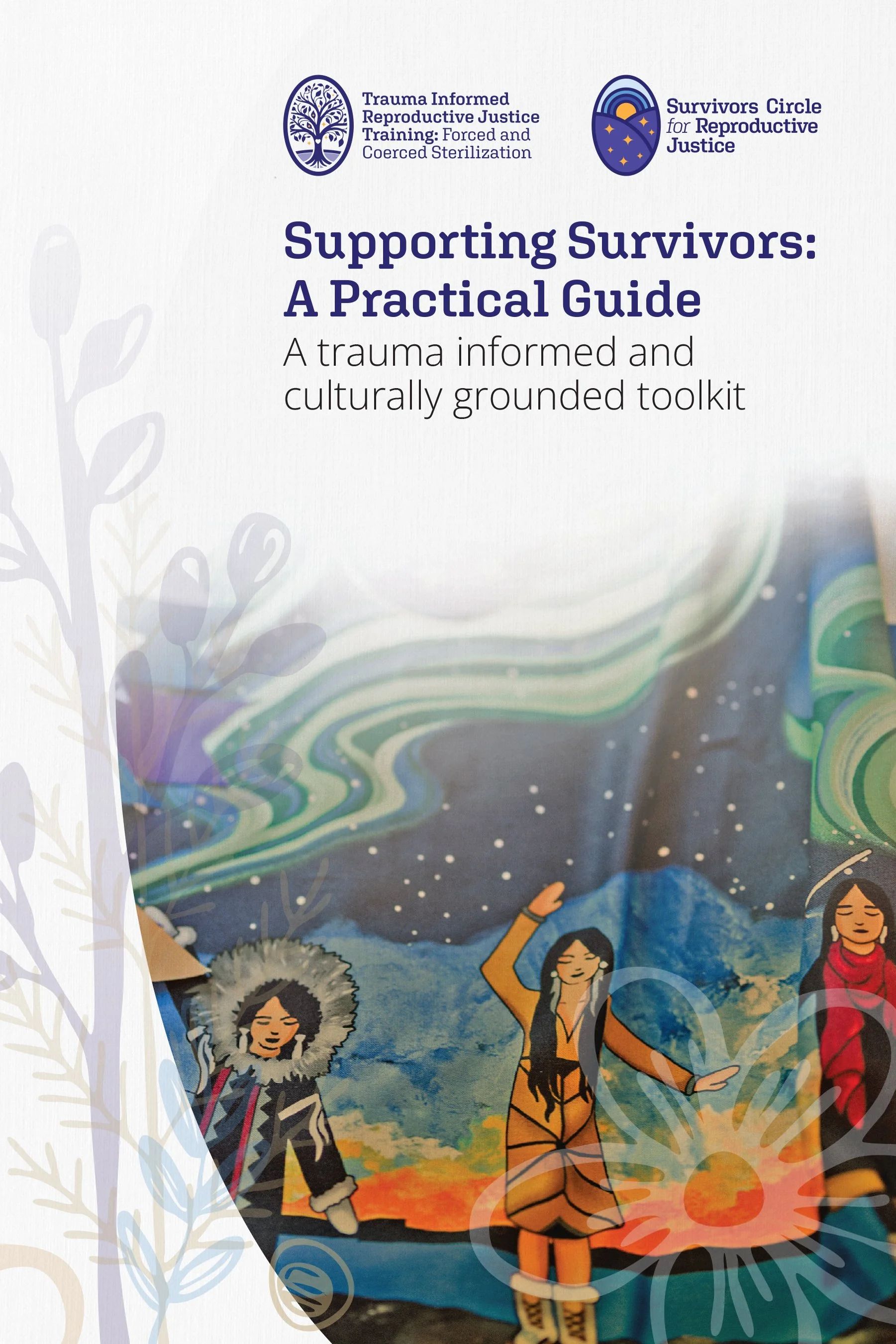
The training introduces a trauma informed and culturally grounded guidebook that serves as a practical toolkit to support staff when engaging with Survivors and responding to disclosures.
The guide focuses on:
Worker wellness and staying grounded during difficult conversations
Supportive communication approaches when responding to Survivor disclosures
Practical deescalation techniques when individuals are distressed or angry
Best practices for respectful engagement when working with Indigenous communities
Resources and pathways to connect Survivors with appropriate supports
Staff roles in listening, acknowledging experiences, and connecting Survivors to resources
The guide is intended to provide practical reference tools that staff can draw on when navigating difficult conversations or supporting individuals seeking information or assistance.
Training Structure
The training includes the following components
Opening by an Elder or Cultural support person
Indigenous worldviews and strength based perspectives on reproductive health
Definitions of reproductive justice and Indigenous reproductive justice
Trauma informed and Survivor centered engagement approaches
Case study scenarios and facilitated discussion
Overview of the work of Survivors Circle for Reproductive Justice
Discussion on how institutions can support Survivors
Closing reflections, questions, and closing by an Elder
This training equips staff with Survivor informed perspectives and practical tools for responding respectfully when Survivors come forward. Guided by diverse Indigenous worldviews and Survivor experience, it supports culturally safe engagement with Indigenous communities and ongoing efforts toward healing and reconciliation.