
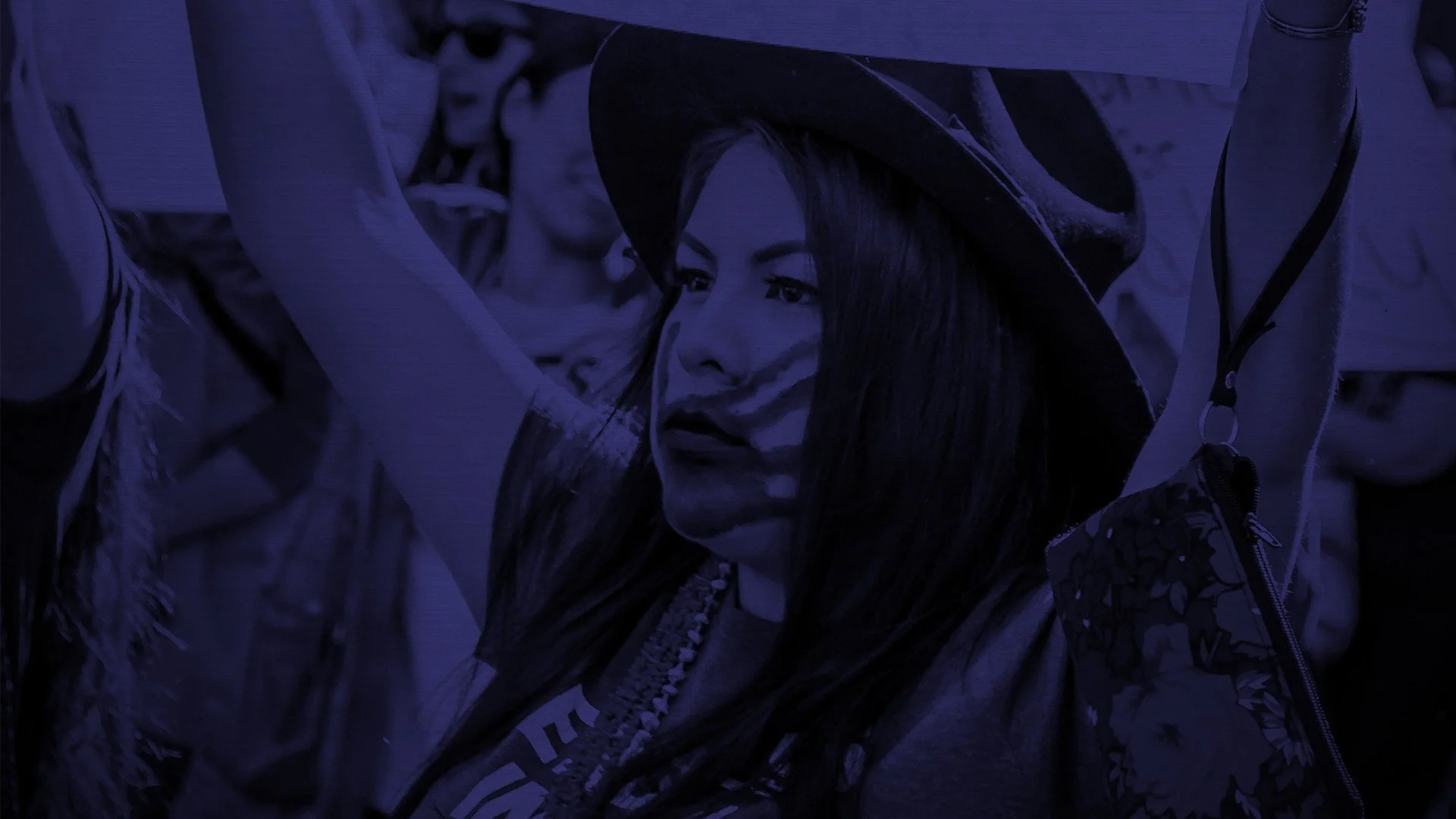
Support Bill S-228
An Act to Amend the Criminal Code (Sterilization Procedures)
Welcome! Here you will find everything you need for the National Day of Action.
The Survivors Circle for Reproductive Justice organized a National Day of Action to Support Bill S-228 on February 24 2026.
Bill S-228 is an act to amend the criminal code to include forced and coerced sterilization.
What You Can Do
Organize an event
Attend a phone blitz event
Participate in our letter campaign
Attend an event on Feb 24 2026


SECTION 1: Information on Bill S-228
Bill S-228 Information Sheet
-
Bill S-228 is a federal bill: an act to amend the criminal code to include sterilization without consent.
-
Bill S-228 was originally introduced as Bill S-250, sponsored by Senator Yvonne Boyer. It received Royal Assent in the Senate in October 2024. However, before the bill could be debated in the House of Commons, the federal government transitioned. As a result, the bill did not move forward and was effectively “dead on the floor”.
Following the establishment of the new government, the bill had to be reintroduced and go through the full Senate process again. Senator Yvonne Boyer reintroduced the same legislation as Bill S-228. Bill S-228 received Royal Assent in the Senate in October 2025 and now requires passage in the House of Commons to become law.
This legislation is the result of many years of advocacy and collaboration between survivors, Senator Yvonne Boyer, the Survivors Circle for Reproductive Justice, and numerous allies across Canada.
This bill is grounded in the findings of a Senate Standing Committee report that examined the practice of sterilization without consent in Canada. This committee heard the powerful testimonies of survivors from across the country, ultimately shaping this legislation.
-
Now that this Bill has completed the Senate process, it will make its way through the House of Commons.
Bill S-228 is being sponsored by Conservative Member of Parliament Jamie Schmale and was introduced into the House of Commons in November 2025.
On February 24th the bill will undergo its second Reading in the House of Commons. This is an important stage in the legislative process, where Members of Parliament debate and decide whether it should move forward.
-
Introduction of the Bill (took place Nov 2025)
Second Reading (Feb 24 2026)
Committee Review (TBA)
Third Reading (TBA)
Royal Assent (TBA) if passed then it becomes law.
-
Justice for survivors: Survivors of sterilization see Bill S-228 as a step towards justice for them and recognize the power of collective healing by preventing any further harm being done to young Indigenous people when they enter the healthcare system.
Addressing systemic issues: Sterilization without consent has a long history with deep roots of systemic racism and discrimination. The passing of this bill will allow these systemic issues to be addressed directly.
Protection of future generations: This bill will help to ensure that future generations are protected when accessing health care, this will have a profound impact that will be felt for generations to come.
Increased access to safe and consensual medical care for First Nation, Inuit, Metis individuals and Canadians alike.
It will provide the necessary direction and clarity to medical professionals on informed consent and every Canadian’s right to bodily autonomy.
This bill will be a step towards ensuring the government’s commitment to align Federal laws with the United Nations Declaration on the Rights of Indigenous Peoples (UNDRIP), United Nations Convention Against Torture (CAT), and fulfill commitments to reconciliation identified in the Truth & Reconciliation Commission’s 94 Calls to Action.
-
Are First Nations, Inuit and Metis still being sterilized today?
Many people think of this issue as a historical one and although there is a historic legacy of sterilization without consent, these practices continue today.How long has forced and coerced sterilization been happening?
Cases of sterilization without consent have been happening since the 1890’s in Canada.Why is forced and coerced sterilization continuing today?
Sterilization without consent continues because of systemic failures that allow racism, discrimination and unequal treatment to persist. Forced and coerced sterilization often involves multiple systems working together, rather than a single institution acting alone. These systems historically and presently include: Health Care, Justice, Child Welfare, Residential Schools, Education and Indian Hospitals. The overlap of these systems has created conditions where survivors’ rights, bodily autonomy, and informed consent have not been respected or protected.How many First Nation, Inuit and Metis people have been sterilized?
It is estimated that between 12,000 and 15,000 Indigenous women, men and gender-diverse individuals have experienced forced, coerced or imposed sterilization.What are the impacts of sterilization without consent?
Survivors experience a wide range of impacts including:- Deep grief
- Loss of connection to “womanhood”, “manhood” and “personhood”
- Cultural disconnection
- Anger
- Disruption to relationships
- Distrust of medical system and professionals
- Untreated/undertreated medical conditions due to distrust of medical system
Although survivors experience the primary impact of forced and coerced sterilization, the people surrounding the survivor are also impacted. FNIM nations, communities and families connected to a survivor are also impacted by sterilization. They also experience the grief and hurt.
SECTION 2: Organizing an Event
Organizing an Event to Support Bill S-228
Thank you for your interest in hosting a National Day of Action for this very important bill. This section of the toolkit will help to guide to help you putting together an event! Some of you may be experienced with organizing and for some it may be your first time hosting an event like this, we hope this guide will help no matter your previous experience.
We highly encourage the incorporation of ceremony, prayer and traditional elements such as drumming, singing, and dancing.
There is a community grant available for those who may need support with supplies and materials for hosting an event. You will need to complete a community grant request form in this section of the tool kit.
Deadline to apply: February 6, 2026
Submit to:info@reproductivejusticesurvivors.ca
You do not need to request or access the community grant in order to host an event. The grant is available to those who may need support with supplies, materials etc. The Survivors Circle will post a national listing of events scheduled for February 24th. Please note you will need to submit an event request form if you would like the Survivors Circle to add your event to our national listing and promote your event.
Event Styles
Hosting a Ceremony: You could host a ceremony and focus on the prayers for the passing of the bill and healing for Survivors
Hosting a Rally: A rally is where you ask people to gather at a specific location and generally stay at that location. This can also include guest speakers, drumming, singing, dancing, and ceremony.
Hosting a March: A March is when you ask people to gather in one location and then move to another or several locations. This requires a little bit more planning and co-ordination in terms of location selection, route planning, people power. This style of event can also include guest speakers, drumming, singing, dancing, and ceremony.
Public Round Dance: Hosting a round dance in a public location to bring attention to the issue.
Combination of them: You can mix and match the type of event you are doing and combined various elements.
-
Have an agenda planned beforehand that includes the 5 W’s
WHO: Clearly sort out what supports you are going to need and who is going to help
WHAT: What type of event are you doing? Are there going to be ceremony elements or drumming
and singing? Are there going to be guest speakers?WHEN: What time will things take place.
WHERE: Where will these things be taking place? Where will things be starting and ending and what
is the route (if applicable)WHY: This is a big one! Why are you doing it? It is important to keep the goals in mind to guide you through this entire process.
-
It is important to keep survivors and their families at the center of what you are doing
When considering your event, think about the impact that you want to create and allow that to inform your choices for things like type of event type, location, route etc. Remember this about peacefully raising awareness about Bill S-228.
Risk Management is key! Consider risk management when selecting your activities and locations. Part of risk management could include having a safety team, having plans of how to deal with unsafe people, and safety planning.
-
Select your media spokes people before hand and prep with talking points. The Bill S-228 Information Sheet, Reasons to Support The Bill and FAQ documents of this guide can help with preparing talking points.
Reach out to media beforehand to let them know of you event
If survivors are sharing their stories with the media or as a guest speaker, please encourage them to complete our “Sharing Your Story Publicly” Training video and Guide.
-
The supplies you need will depend on what kind of event you are doing. This list is not a complete
list but contains some key items that you might need.sound system and microphones
power source
cars/trucks dedicated to leading the march or transporting elders
megaphone
wagon
traditional medicines
first aid kit
water
snacks/food
signs/ banners
markers/art supplies
honorariums
Event Request Forms


Tool Kit Getting Involved with the Bill S-228 / National Day of Action
Community Event Guidelines
No alcohol, no drugs- zero tolerance event. All community events should be peaceful without violence or profanity. All community events should ensure the safety of all participants and should include First Aid, medical support, mental health support and Knowledge Keepers where possible
Before you get started, we ask you to keep the overall goal of the National Day of Action in mind. The goals are to:
bring awareness to Bill S-228
offer prayers for the passing of the bill
Please take a read through before filling out the form to request funds to host an event.
Organizing Your Event: Key Tips and Considerations
No matter what type of event you are doing here are some tips and considerations that can help to ensure that you have a successful event:
-
Depending on what type of activity you are doing it is important to have an idea of the laws for your area regarding protesting/ gathering and fires (if you will be doing ceremonies that require fires)
-
with people before hand and answer the 5 W’s
with people on the day of your event and make sure that people have the information that they need to complete tasks or duties and that participants also are aware of what is happening.
-
We can’t do these things alone and will probably need some help along the way. Depending on what event is you might need the following type of helpers
An Emcee (someone who isn’t afraid to get on the mic and keep things moving)
Elder and Survivor support (people dedicated just to making sure they have things they need)
Guest speakers/presenters: could include someone to talk about the details of bill, possibly survivor speakers, elders/ knowledge holders, people who can speak to the issue of sterilization
Food, water support people
A “go-for”: someone who is dedicated to just do errands and take care of last-minute things on the day
Singers/drummers/dancers
Ceremony support people. Pipe carries, medicine people
Fire keepers
Safety Team. This again will depend on what you are doing but your safety team could include :
Police Liaison: Designed person who will communicate with police on behalf of the group if needed
Marching Lead and Follow: Designated people at the front and back of the march that help to set the pace and follow the established route
Designed safety people: to deal with issues and help keep things calm during the event. You might want to have them identifiable with an armband or something to indicate them as a safety person
-
There are many things to think about when it comes to safety that go hand in hand with organizing an event like this. Overall being organized, thoughtful and clear will help ensure that you have a successful event. Sometimes it takes a little bit more work upfront but can save you many issues on the day of your event!
Please note you will need to submit an event request form if you would like the Survivors Circle to add your event to our national listing and promote your event.
Survivors Circle will post a national listing of events scheduled for Feb 24.
Join in an event and please encourage your community to get involved also!
You do not need to request or access the community grant in order to host an event. The grant is available to those who may need support with supplies, materials etc.
Please note not all community grant requests will be supported. There are limited funds available. Priority will go toward ensuring community events are planned in each province and territory.

SECTION 3: Participate in one of the Phone Blitz Events
You can participate in the National Day of Action for Bill S-228 by joining one of our Phone Blitz events! These events are being held virtually, and your involvement will help make a big impact!
Getting involved is really easy. All you need is to register, join the zoom on your selected date and help us make calls! You can also bring your friends, colleagues and network! We will provide you with a call list and even provide you with a script.
February 17 @ 1pm PST, 2pm MST, 3pm CST, 4pm EST, 5pm ADT, 5:30pm NDT
February 18 3pm PST, 4pm MST, 5pm CST, 6pm EST, 7pm ADT, 730pm NDT
February 19 (for French speakers only) @ 1pm PST, 2pm MST, 3pm CST, 4pm EST, 5pm ADT, 5:30pm NDT
Register at: events@reproductivejusticesurvivors.ca
Please encourage your colleagues, friends, family and community organizations to call their local MP to support Bill S-228 this can start happening today!
Leave a phone message using the phone script and contact list.
We want to make sure your local MP receives many phone call messages supporting Bill S-228


Call your MP to support Bill S-228 (Phone Script)
Members of Parliament Contact List
Tool Kit
Getting Involved with the Bill S-228 / National Day of Action
SECTION 4: Getting Involved with our Letter Writing Campaign
You can participate in the National Day of Action for Bill S-228 by joining our Letter Writing Campaign! You can make a big impact by taking a few minutes to send a letter to Members of parliament to let them know that you support the passing of Bill S-228 and they should to.
Together, we can help ensure that reproductive rights are protected and that Survivors’ experiences are recognized and honored.
Submit your letter to ensure that Members of Parliament hear your voice before voting on the Bill. Encourage your colleagues, friends, family and community organizations to submit a letter to their local Member of Parliament to support Bill S-228 this can start happening today
We want to make sure your local Member of Parliament receives many letters supporting Bill S-228.
Send a letter directly to your Member of Parliament:
Campaign Letter Template
Members of Parliament Contact List
